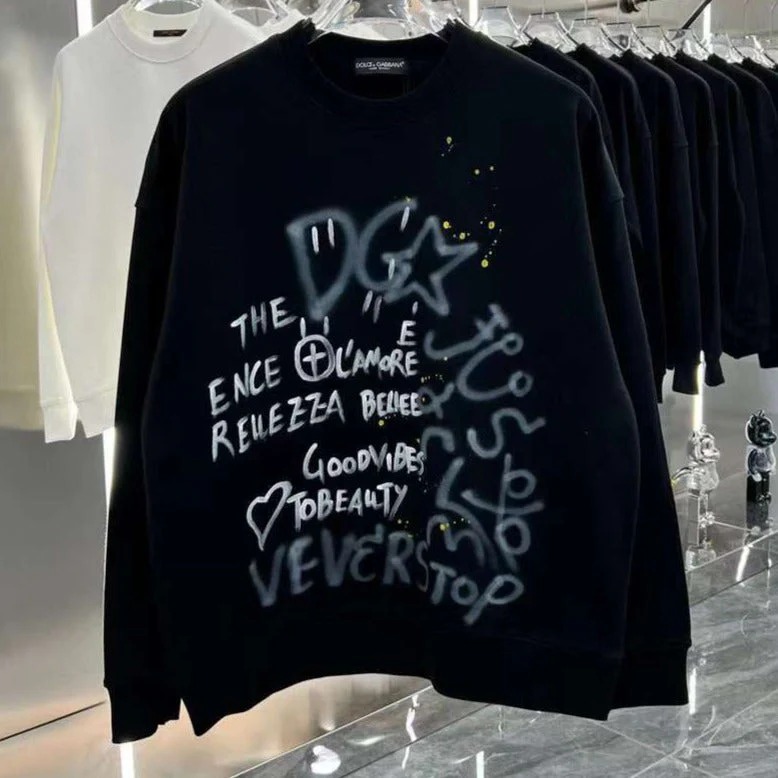
Fashion is evolving at an unprecedented pace, driven not only by changing tastes and cultural influences but also by groundbreaking technological advancements. The intersection of fashion and technology is creating a new realm of possibilities, where clothes are no longer just garments—they are becoming interactive, adaptable, and even connected to the wearer’s body. By 2025, smart clothes will no longer be a futuristic concept but a part of everyday life, shaping both high-end fashion and streetwear. From fabric innovations to wearable technology, the clothes we wear will change dramatically, enhancing both form and function.
In this article, we’ll explore how smart clothes will transform the fashion landscape in 2025, focusing on fashion trends, the integration of high-end fashion with technology, and the future of high-end clothing.
The Rise of Smart Clothing
Smart clothing, or “wearables,” refers to garments that incorporate electronics or other advanced technology to offer functionalities beyond traditional fabrics. These clothes can track health metrics, respond to environmental stimuli, or even change their appearance at the touch of a button. By 2025, we will witness the fusion of aesthetics and technology, creating fashion pieces that can adapt to the wearer’s needs and preferences.
The marriage of high-tech fabrics and cutting-edge design is poised to redefine the fashion industry. Smart clothes in 2025 will not only be sleek and stylish but also offer enhanced comfort, sustainability, and performance, making them indispensable in our everyday lives. Here’s a closer look at what to expect.
Health-Tracking Clothing
By 2025, health-monitoring clothing will be a mainstay in both high-end fashion and athletic wear. As fitness and well-being become more integrated into daily routines, consumers will demand more from their clothes than just style and comfort. Smart garments will include sensors woven into the fabric that can track everything from heart rate to body temperature, sleep patterns, and even stress levels.
For example, a high-end fashion brand might introduce a luxury smart dress or suit that tracks the wearer’s posture and muscle activity, providing real-time feedback to enhance physical well-being. These clothes will integrate seamlessly with health apps, enabling wearers to monitor their health through an intuitive interface. The fashion industry will also see an increase in “smart fabrics” that are capable of adjusting to the body’s needs—for instance, clothing that can regulate temperature, keeping the wearer cool in hot weather or warm in colder climates.
Fashion Trends in 2025 will see a fusion of health and luxury. High-end fashion brands, known for their focus on premium materials and craftsmanship, will begin incorporating smart fabrics into their collections. The result will be a new category of “functional fashion,” where style and performance coexist effortlessly.
Adaptive and Shape-Shifting Fashion
One of the most exciting possibilities for smart clothes in 2025 is the development of adaptive fabrics that can change in response to the wearer’s needs or external factors. This includes clothes that alter their shape, color, or texture based on temperature, mood, or even the environment. Imagine a dress that changes color depending on the weather, or a jacket that adapts its fit according to the wearer’s body shape.
For high-end fashion, this could mean creating bespoke garments that adapt to the wearer’s size and fit preferences. The ability to have a garment that customizes itself for a perfect fit, adjusting throughout the day for comfort or style, would be a major leap forward in high-end fashion. Such innovation could extend to luxury outerwear, where coats or jackets change their insulation properties to offer maximum comfort as the weather fluctuates.
These adaptive fabrics could be powered by a combination of microelectronics, conductive threads, and even biocompatible materials that respond to physical stimuli like heat or pressure. High-tech materials, such as “smart textiles” and fabrics embedded with flexible sensors, will allow for unprecedented versatility in high-end clothing, ushering in a new era of adaptive luxury.
Sustainability Through Smart Materials
In 2025, sustainability will be one of the most important drivers of fashion innovation, and smart clothing will be central to this shift. High-end fashion brands, often seen as leaders in innovation and quality, will take sustainability to the next level by incorporating smart materials that reduce waste and energy consumption.
Fashion Trends in 2025 will include a strong emphasis on eco-friendly fabrics and garments that can adapt to different uses. For example, clothing made from “recycled” smart materials will be able to change form or function depending on the occasion, reducing the need for multiple garments. Imagine a high-end jacket that can be reconfigured into a vest or a dress that can transform into a skirt with ease—this will reduce the need for constant purchasing of new clothes.
Smart fabrics will also be self-cleaning and durable, reducing the frequency of washing and extending the lifespan of garments. This will be particularly important in high-end fashion, where the craftsmanship and longevity of clothing are highly valued. Sustainable, smart fashion will offer a new way to reduce the environmental footprint of the fashion industry while still offering luxury, high-performance, and aesthetic appeal.
Interactive and Immersive Fashion
As virtual reality (VR) and augmented reality (AR) continue to evolve, they will influence the way we interact with clothing. Smart clothes will have the ability to integrate with virtual environments, allowing wearers to access immersive experiences while also enhancing their fashion. Imagine an outfit that changes its pattern or color when viewed through a VR headset or a jacket that responds to interactive AR visuals.
For high-end fashion, the blending of physical garments with digital experiences will lead to entirely new ways of showcasing and customizing designs. Luxury fashion shows could feature smart clothing that not only shifts in color and form but also interacts with the environment, responding to lighting, music, or even the audience’s reactions.
Additionally, AR-powered shopping experiences will allow consumers to “try on” virtual versions of clothes before purchasing, revolutionizing the way high-end fashion is sold. By 2025, this technology will enable online retailers and brick-and-mortar stores alike to offer highly personalized shopping experiences, allowing customers to visualize how different smart garments will look on them without ever leaving their homes.
Smart Fabrics for Extreme Performance
Another exciting trend for smart clothes in 2025 is their application in extreme performance environments. High-end sportswear and outerwear will incorporate smart fabrics capable of adapting to demanding conditions, from extreme cold to high-intensity workouts. These clothes could include built-in climate control systems to regulate temperature or fabrics that adjust their elasticity depending on the activity level.
Sports and fitness brands, known for their focus on performance, will lead the way in incorporating wearable technology into activewear. For example, a smart jacket designed for extreme conditions could offer real-time data on temperature, humidity, and other environmental factors, keeping the wearer comfortable and safe. Luxury outdoor brands might create weather-responsive coats that provide the warmth of high-end winter wear without bulk, while remaining ultra-lightweight and breathable.
High-performance fashion will take into account not only the technological aspects of smart clothes but also their aesthetic value, blending the functionality of wearable tech with the elegance and sophistication that defines high-end fashion.
Smart Fabrics for Enhanced Comfort and Fit
One of the most notable developments in high-tech fashion by 2025 will be the creation of fabrics that offer enhanced comfort and fit. These fabrics will respond to changes in body temperature, moisture levels, and physical activity, ensuring the wearer stays comfortable throughout the day. For example, garments that adjust their tightness based on posture or activities like sitting and standing will ensure maximum comfort without sacrificing style.
In high-end fashion, this could mean tailored suits and luxury dresses that not only fit perfectly but also adjust to maintain that perfect fit throughout the day. Imagine a bespoke jacket that adapts to the wearer’s body shape during different activities, such as sitting at a desk or moving around at an event, without losing its polished appearance.
Conclusion: The Future of High-Tech Fashion in 2025
By 2025, smart clothes will revolutionize the way we think about fashion. From health-monitoring garments to shape-shifting fabrics, the fusion of technology and design will give rise to a new era of high-end fashion that is both functional and fashionable. Fashion trends will be defined not just by aesthetics but by performance, sustainability, and personalization. The future of high-end fashion will see garments that respond to the body, adapt to the environment, and offer unique, immersive experiences, all while maintaining the quality and craftsmanship that defines luxury clothing.
As technology continues to evolve, so too will the possibilities for smart fashion. With a growing focus on sustainability, personalized fit, and health monitoring, 2025 will usher in a new wave of high-tech, high-fashion garments that cater to the modern consumer’s need for both style and substance. In this brave new world of fashion, the clothes we wear will not only define our appearance but will also enhance our lives in ways we never imagined.

 Manish Varma Health Blog